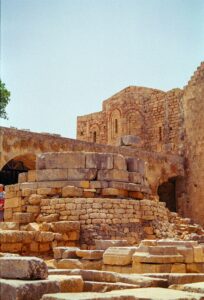
In the ancient city of Jericho, nestled between fortified walls and the dust of the desert, lived a woman named Rahab. To the casual observer, Rahab was an unlikely heroine—a prostitute by profession, residing on the very edge of society, both figuratively and literally. But to those who look deeper, Rahab’s story is one of radical hospitality, courageous faith, and a beautiful reminder that our past does not determine our purpose.
For women today—whether navigating careers, family, faith, or finding their voice—Rahab’s story is more than an inspiring tale. It’s a living message about how our choices, especially when rooted in faith and courage, can create ripple effects far beyond our understanding.
Rahab’s Risk: Opening Her Home and Heart
Rahab’s defining moment begins in Joshua 2. The Israelites, led by Joshua, were preparing to enter the Promised Land. But first, they had to take the city of Jericho. Joshua sent two spies to scout the land, and they ended up at Rahab’s house.

Here’s where the story gets powerful: Rahab welcomed them in. She risked everything to hide the spies from the king of Jericho. If caught, she would’ve faced death. But Rahab was moved by something greater than fear—faith.
She told the spies, “I know that the Lord has given you this land… the Lord your God is God in heaven above and on the earth below” (Joshua 2:9,11). Despite her background and the gods of her people, Rahab recognized the truth of Israel’s God and chose to act on it. Her hospitality was not just about shelter—it was a spiritual declaration. She believed in the God she had only heard about and decided to align herself with His people.
The Power of Hospitality
In Rahab’s culture—and often in ours—hospitality was not just about offering food or a bed. It was about creating space for connection, trust, and transformation. Rahab opened her home to strangers and in doing so, changed her future.

Hospitality for us today can look very different but is no less powerful. It might mean welcoming someone new into our church community, hosting a friend in crisis, or simply offering an empathetic ear in a time of need. It’s in these small, brave gestures that we create sacred spaces where faith and healing grow.
Rahab’s example challenges the idea that hospitality is only for the perfect home, the perfect moment, or the perfect person. It was her willingness—her “yes” in a risky moment—that made the difference.
From Outsider to Ancestor of Kings
Rahab didn’t just survive the fall of Jericho—she became part of the story of salvation. After the walls of Jericho fell and the Israelites took the city, Rahab and her family were spared, just as the spies had promised. She eventually married Salmon, an Israelite, and together they had a son named Boaz.
Yes—that Boaz. The one who married Ruth, another outsider brought into the fold. Through their line came King David, and generations later, Jesus Christ.
This isn’t just a feel-good ending. It’s God’s way of showing us that no matter where we come from, what we’ve done, or how others see us, we are never too far from His redeeming plan. Rahab, a woman once known for scandal, became a mother in the lineage of the Messiah.
Let that truth settle deep in your heart: your story is not over. And in God’s hands, no chapter is wasted.
Faith in Action
Hebrews 11—sometimes called the “Hall of Faith”—mentions Rahab: “By faith the prostitute Rahab, because she welcomed the spies, was not killed with those who were disobedient” (Hebrews 11:31). And in James 2:25, she’s praised again: “Was not even Rahab the prostitute considered righteous for what she did when she gave lodging to the spies…?”
These references tell us something crucial. It wasn’t just Rahab’s belief that mattered—it was what she did with that belief. Her faith moved her to act, and that action aligned her with God’s purposes.
In our own lives, faith isn’t always grand or public. Often, it shows up in private decisions, in moments of discomfort or uncertainty. It’s choosing to trust God when the outcome is unclear. It’s saying yes to His prompting even when it comes with risk.
A Woman Like Us
What makes Rahab’s story so relatable is that she was just a woman. Not royalty. Not a prophet. Not the leader of an army. She was a woman who chose to believe and to act on that belief. She was brave enough to offer refuge, faithful enough to trust in a God she barely knew, and wise enough to secure a future for her family.
As women today, we often carry many roles—caretakers, leaders, workers, dreamers. Rahab reminds us that hospitality is not just an act, but a heart posture. It’s about being willing to create space, even in the messiness of life, for God to work through us.
The Legacy of Hospitality
Rahab’s story ends in redemption, but her legacy continues through every woman who dares to live boldly in faith. Whether you’re opening your home, your heart, or your life to others, know that God honors those sacred offerings.

Your hospitality might not make headlines. It might not involve walls falling or spies escaping. But it could be the very thing that brings someone else to safety, hope, or a fresh start.
Rahab didn’t wait until her life was cleaned up to step into purpose—and neither should we.
— Lisa Marshall for The Sublime Soiree © April 14, 2025